Beyond the Wrist: The Rise of E-Textiles
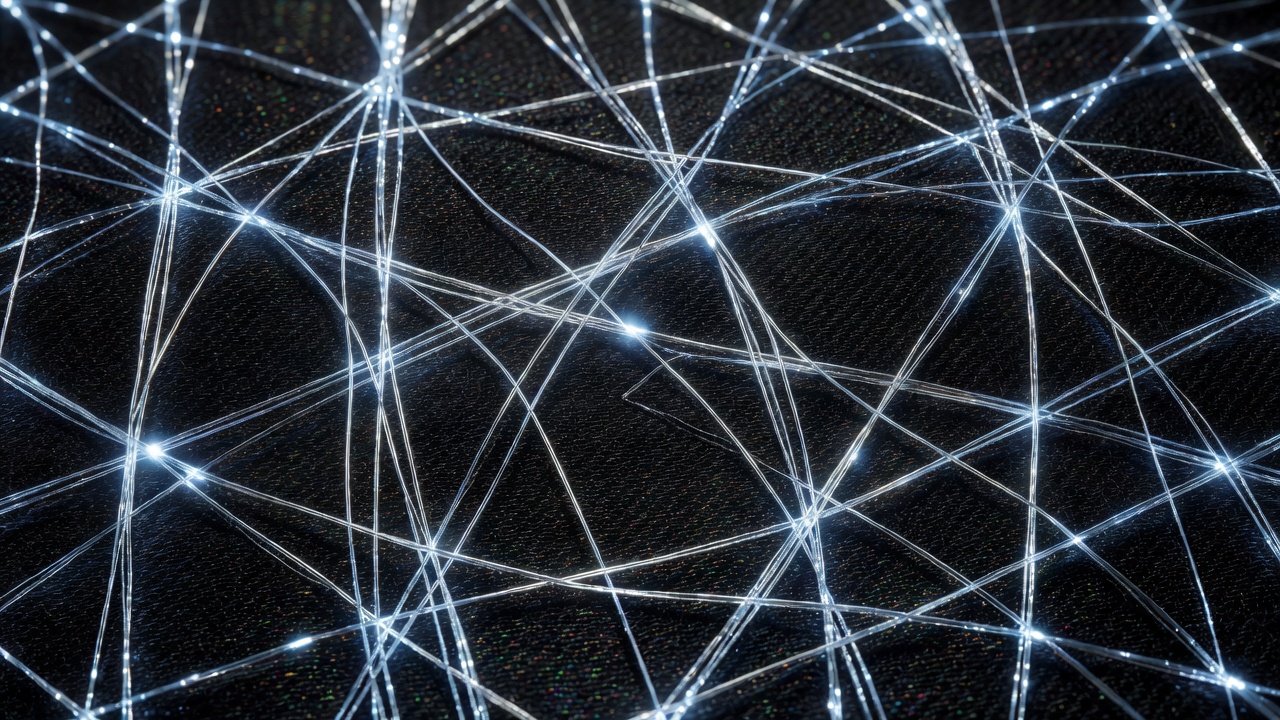
While smartwatches and fitness bands have normalized wearable technology, they represent a highly localized method of data collection. Intelligent clothing, or e-textiles, aims to decentralize sensors across the entire body. By weaving conductive threads directly into the fabric of shirts, trousers, and socks, developers can gather a much richer, holistic dataset of human biomechanics and physiology. When analyzed by sophisticated AI algorithms, this data unlocks new paradigms in athletic training, physical rehabilitation, and daily wellness.
The fundamental premise of smart clothing is invisibility. Unlike strapping on a rigid device, an intelligent garment should feel, stretch, and breathe exactly like standard apparel. The technology is embedded at the yarn level, with microscopic sensors capturing data points seamlessly throughout the user's day.
Applications in Biometrics and Biomechanics
The broad surface area covered by clothing allows for distinct advantages over wrist-bound trackers. Smart garments are primarily categorized by the type of data they aim to collect:
Full-Body Kinematics and Posture
Traditional wearables can track steps, but they struggle to assess form. Smart trousers or shirts equipped with flexible strain sensors can measure joint angles, muscle expansion, and spinal alignment in real-time. For athletes, an AI companion app can analyze a golf swing, a running stride, or a weightlifting squat, providing immediate haptic or auditory feedback to correct posture and prevent injury. In clinical settings, similar technology is utilized for physical therapy, ensuring patients perform rehabilitation exercises with precise mechanical accuracy.
Medical-Grade Electrocardiography (ECG)
Wrist-based optical heart rate sensors are prone to error during heavy movement. In contrast, smart compression shirts can position dry conductive electrodes directly against the chest, exactly where a cardiologist would place them. This allows for continuous, high-fidelity ECG monitoring. Machine learning models analyze these electrical signals to detect microscopic arrhythmias or stress markers, offering a level of cardiovascular insight previously restricted to clinical environments.
The Engineering Hurdles: Washability and Durability
The most significant barrier to the mainstream adoption of intelligent clothing is the harsh reality of laundry. Integrating delicate microelectronics, batteries, and conductive threads into a product designed to be submerged in water, bombarded with detergents, and tumbled in extreme heat presents a monumental engineering challenge.
Currently, the industry addresses this via a modular approach. The garment itself contains only the robust conductive threading and physical sensors, which are designed to withstand washing cycles. The actual processing unit and battery are housed in a small, rigid "pod" that snaps onto the clothing magnetically or mechanically, and must be removed prior to washing.
However, even the threads degrade. Over time, repeated stretching and chemical exposure cause the electrical resistance in conductive yarns to fluctuate, leading to noisy data or total sensor failure. Materials science is rapidly advancing—utilizing carbon nanotubes, silver-infused polymers, and graphene coatings—to extend the lifespan of these garments, but longevity remains a primary consumer concern.
Fashion, Aesthetics, and Adoption
For wearable technology to succeed as apparel, it must adhere to the rules of fashion. A technologically flawless shirt will fail in the consumer market if it is aesthetically unappealing or uncomfortable. Early iterations of smart clothing suffered from bulkiness and stiff wiring that restricted movement. As miniaturization progresses, the line between high-fashion activewear and complex bio-monitors is blurring. The ultimate success of AI clothing hinges not just on algorithmic accuracy, but on its ability to integrate so deeply into our wardrobes that we forget it is there at all.