The Evolution of Wearable Wellness
A decade ago, wearable health technology was largely confined to pedometers and basic accelerometers that approximated physical activity. Today, the landscape is defined by continuous, multi-modal sensor arrays paired with sophisticated machine learning algorithms. The contemporary AI health tracker is no longer just a passive log of historical data; it is an active, predictive engine designed to analyze complex physiological relationships and offer actionable insights.
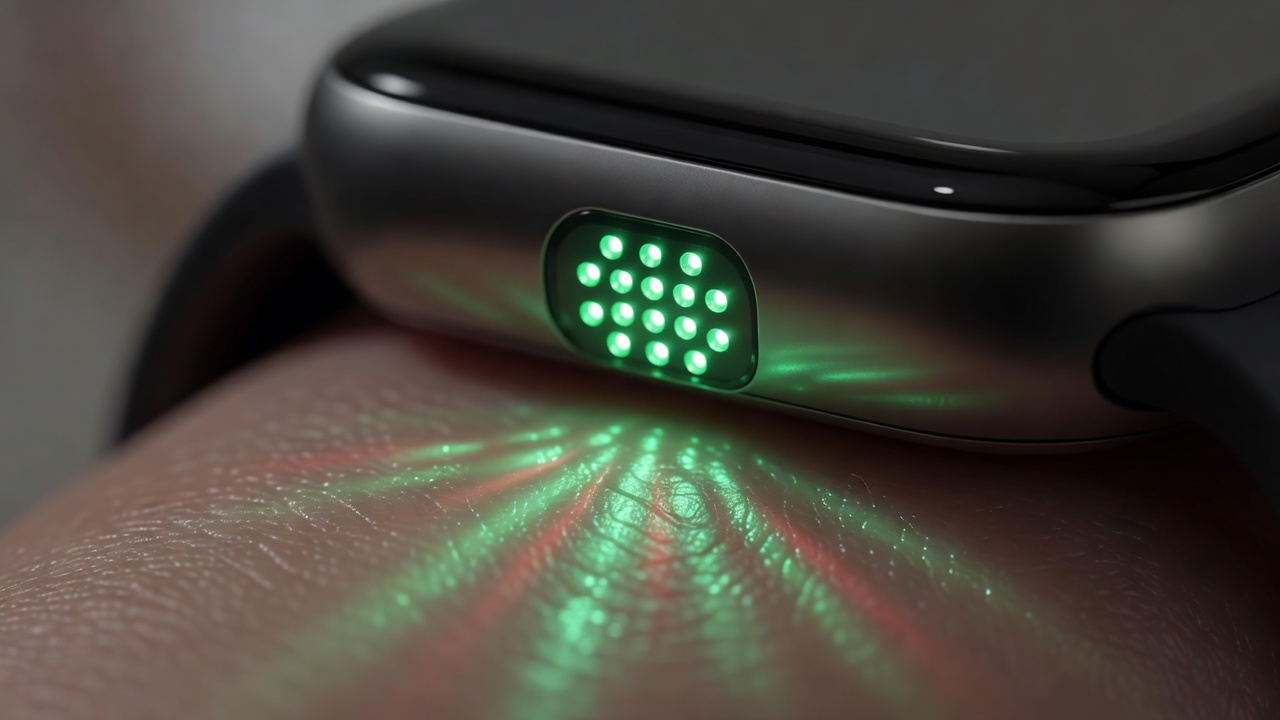
Modern devices leverage a combination of photoplethysmography (PPG), electrocardiography (ECG), temperature sensors, and bioimpedance to construct a high-resolution map of the user's autonomic nervous system. By analyzing this data locally or via cloud-based AI, these systems shift the paradigm from reactive healthcare to proactive wellness management.
Key Biometric Innovations
The differentiation in modern health wearables relies on the depth and accuracy of specific biometric metrics.
Heart Rate Variability (HRV) and Recovery Analytics
Rather than simply tracking the average beats per minute, advanced trackers place heavy emphasis on Heart Rate Variability (HRV)—the microscopic fluctuations in time between consecutive heartbeats. AI models use HRV trends to assess the balance between the sympathetic (fight-or-flight) and parasympathetic (rest-and-digest) branches of the nervous system. By correlating HRV with sleep quality, respiratory rate, and previous physical exertion, trackers can dynamically generate a daily "readiness" or "recovery" score, advising users on optimal training intensities.
Continuous Metabolic Monitoring
While historically relegated to medical devices for diabetic patients, Continuous Glucose Monitors (CGMs) are increasingly interfacing with mainstream wellness apps. Machine learning algorithms analyze interstitial fluid glucose levels in real-time to identify how specific foods, sleep patterns, and stressors cause glycemic spikes or crashes. The AI synthesizes this data to offer highly personalized dietary recommendations, attempting to flatten the user's glucose curve for sustained energy.
Advanced Sleep Staging
Polysomnography—the clinical standard for sleep analysis—is being approximated on the wrist and finger. By synthesizing movement, heart rate, skin temperature, and blood oxygen saturation (SpO2), deep learning models segment sleep into Light, Deep, and REM stages. More importantly, AI is beginning to identify anomalous breathing patterns and micro-awakenings, potentially alerting users to signs of sleep apnea or chronic fatigue syndromes.
The Limitations of Optical Sensors
Despite significant advancements, consumers must understand the limitations of optical biometric sensors. PPG sensors, which use LED lights to illuminate capillaries and measure volumetric changes in blood flow, are notoriously sensitive to motion artifacts. During high-intensity, erratic movements (like cross-training or heavy weightlifting), the data can become noisy and unreliable. Furthermore, research indicates that certain optical sensors struggle to maintain accuracy across varying skin tones, an algorithmic bias that the industry is still working to comprehensively rectify through more diverse training datasets and multi-wavelength light arrays.
Data Privacy and the Future of Diagnostics
The collection of highly sensitive, continuous biological data poses monumental privacy questions. Users are essentially carrying comprehensive medical dossiers on their wrists. As AI models become capable of detecting early signs of atrial fibrillation, viral infections, or even cognitive decline before overt symptoms manifest, the line between a consumer gadget and a medical device blurs. Navigating the regulatory frameworks (such as FDA approvals for software as a medical device) and ensuring robust, end-to-end encryption of physiological data will be the defining challenges for the next generation of AI health trackers.