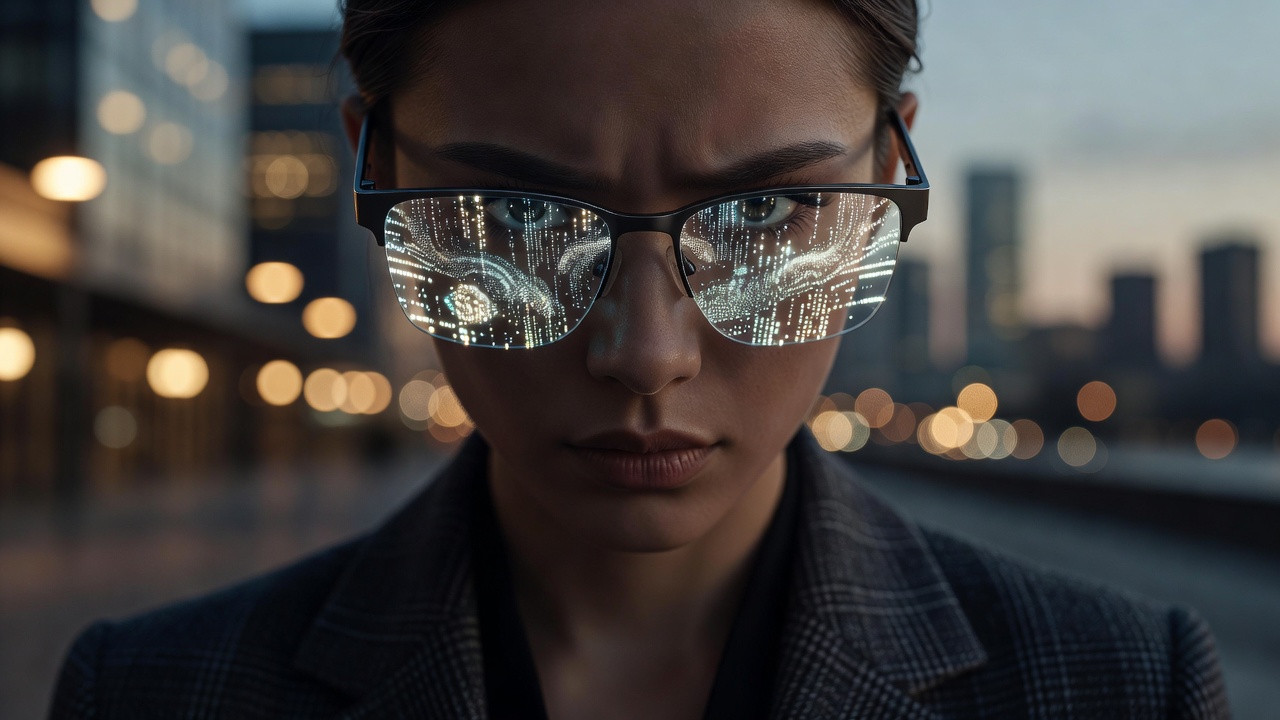
The Promise of Heads-Up Computing
For decades, the concept of a transparent digital overlay integrated seamlessly into our daily vision has been the holy grail of consumer electronics. Today, AI smart glasses are transitioning from clunky prototypes into viable, everyday wearables. This evolution is driven by rapid advancements in miniaturized machine learning chips, sophisticated computer vision algorithms, and breakthroughs in optical engineering.
Unlike virtual reality (VR), which isolates the user in a digital environment, augmented reality (AR) and AI glasses aim to enhance the physical world. The current generation of devices splits broadly into two categories: audio-first smart glasses with minimal or no displays, and true optical see-through displays utilizing waveguide technology to project light directly into the user's retina.
Optical Displays vs. Audio-First Glasses
To understand the smart glasses market, it is crucial to recognize the divergence in form factor and functionality.
Audio and Camera-First Models
Many of the most popular AI glasses today do not feature a visual display. Instead, they rely on a combination of built-in microphones, bone-conduction or directional speakers, and ultra-wide cameras. These devices function as a wearable multimodal AI node. By capturing what the user is looking at, the AI can provide contextual auditory feedback. Examples of utility include translating foreign text on a menu, describing the environment for visually impaired users, or identifying landmarks in real-time. The primary advantage here is weight and aesthetics; these devices often look indistinguishable from traditional eyewear.
Waveguide and MicroLED Displays
The more complex category involves projecting visual data onto the lens. Achieving a bright, crisp display in daylight without a bulky headset requires sophisticated optics. Waveguide lenses, combined with microscopic light engines (such as MicroLEDs), allow for digital artifacts—like navigation arrows, incoming messages, or live transcription captions—to float in the user's field of view. The main challenges for this category remain battery life, thermal management, and achieving a wide field of view (FOV) without creating thick, heavy lenses.
Real-World AI Applications
The integration of artificial intelligence is what transforms these optical devices from mere secondary screens into proactive assistants. By processing contextual data through large multimodal models (LMMs), smart glasses offer several key applications:
- Live Translation and Captioning: By listening to ambient conversations, smart glasses can project translated text or real-time transcriptions directly into the user’s line of sight, drastically altering how we communicate across language barriers.
- Contextual Navigation: Rather than looking down at a smartphone screen, users receive turn-by-turn augmented reality overlays that highlight the specific path they should walk on the physical street.
- Visual Search and Identification: With a simple voice command or tap, users can ask their AI assistant to identify a plant, summarize a document they are reading, or calculate the nutritional value of the meal on their plate.
Privacy and Social Implications
The proliferation of wearable cameras raises significant privacy concerns. Early iterations of smart glasses faced severe public backlash due to the ability to record people without their explicit consent. Modern devices attempt to mitigate this by implementing hardwired LED indicators that illuminate whenever the camera or microphone is active. However, as the form factors become more discreet, the debate over public surveillance, data harvesting, and the acceptable use of facial recognition technology continues to evolve.
The Road Ahead
While current iterations still face constraints regarding battery density and processing power, the trajectory is clear. As edge computing—where AI models are processed locally on the device rather than via the cloud—becomes more robust, latency will decrease and offline functionality will improve. The ultimate goal is a pair of lightweight, stylish glasses that seamlessly overlay intelligent, context-aware information, bridging the gap between the digital and physical worlds.